Bordeaux Tickets

Is the village of Saint-Émilion worth visiting?

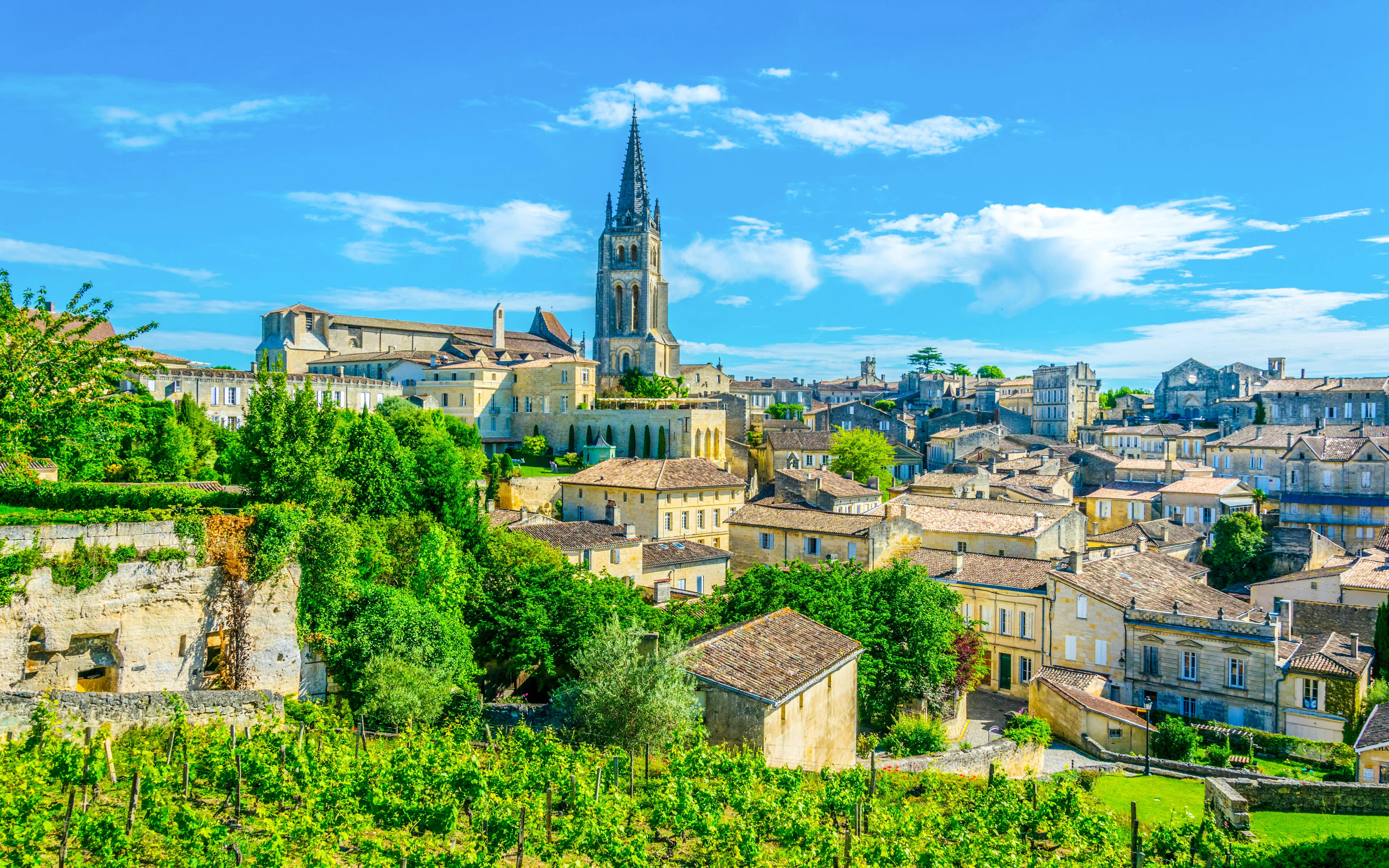
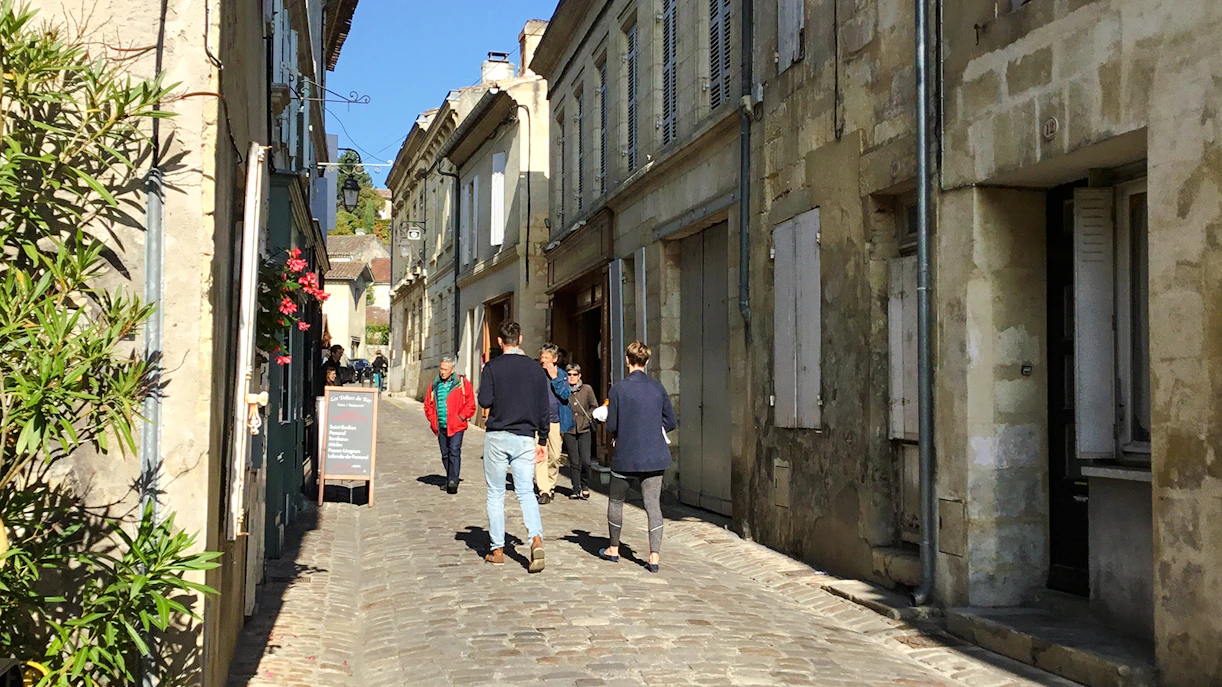
You arrive through rows of vines, and then the village lifts out of the limestone hillside in warm gold and terracotta. The lanes are narrow, sloped, and unexpectedly quiet in places, with cellar doors, worn stone, and the smell of almond macarons drifting from old shopfronts.

Saint-Émilion grew where pilgrimage, trade, and wine met, which is why churches, cloisters, and working vineyards sit so closely together. It was built to serve both devotion and commerce, and that layered purpose still gives the place its unusual density.

What lingers is the shift in scale and texture: medieval streets above ground, cool carved chambers below it, and wine that tastes inseparable from the soil around you. You leave feeling that the landscape itself has been turned into a town.

Skip it if: steep cobbled lanes, cellar visits, and tasting-focused experiences are not how you want to spend half a day.

What to see in Saint-Émilion?

Monolithic Church in Saint-Émilion
1/7

Monolithic Church

Carved directly into limestone, this vast underground church is the village’s defining monument. Guided access only means entry slots matter, especially in summer, and the silence inside feels completely different from the busy streets above.

Catacombs and the Hermitage cave

These dim underground spaces connect Saint-Émilion’s spiritual origins to its stone-built identity. You’ll see the cave linked to the hermit Émilion and burial chambers that make the village feel older, stranger, and more intimate than its postcard views suggest.

Cobbled village lanes

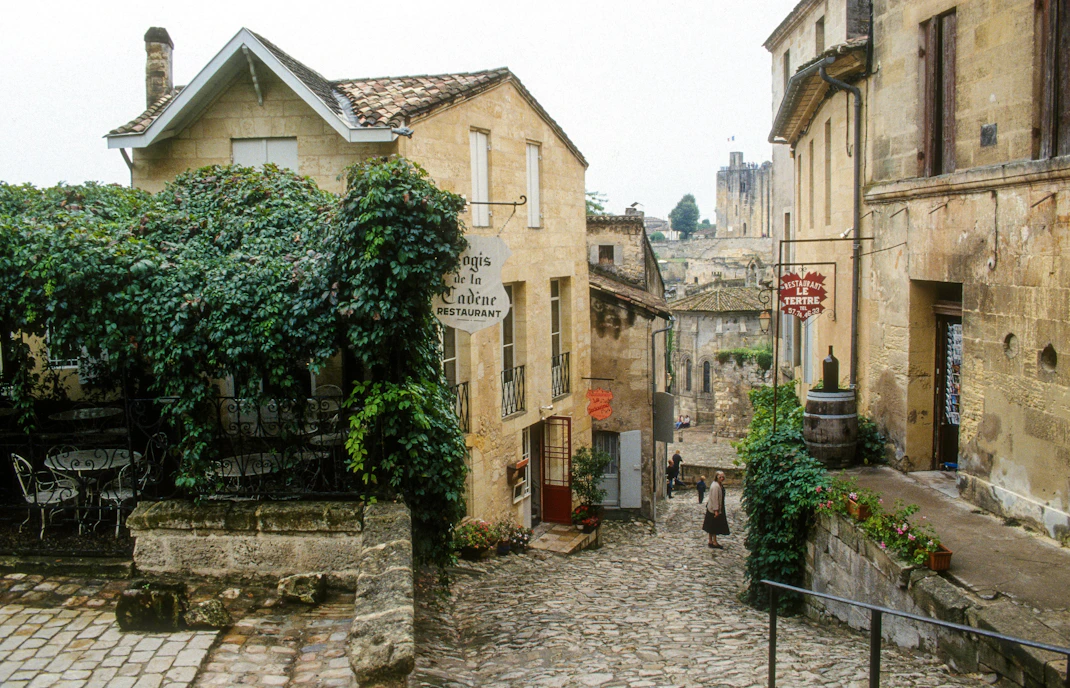
The heart of the visit is simply walking: tight medieval streets, honey-colored facades, wine shops, and shaded squares. Go early or late if you want photographs without the thickest day-trip crowds gathering around the main slopes.

King’s Tower

This 13th-century keep gives you the cleanest overview of rooftops and surrounding vineyards. It adds a short climb, but the payoff is understanding how compact the village is within a much larger wine-growing landscape.

Cloître des Cordeliers

Part ruined monastery, part sparkling wine site, this stop mixes heritage with a lighter tasting mood. The underground cellars and Crémant tasting make it a smart addition if you want wine context without committing to a full château visit.

Grand Cru estate cellars

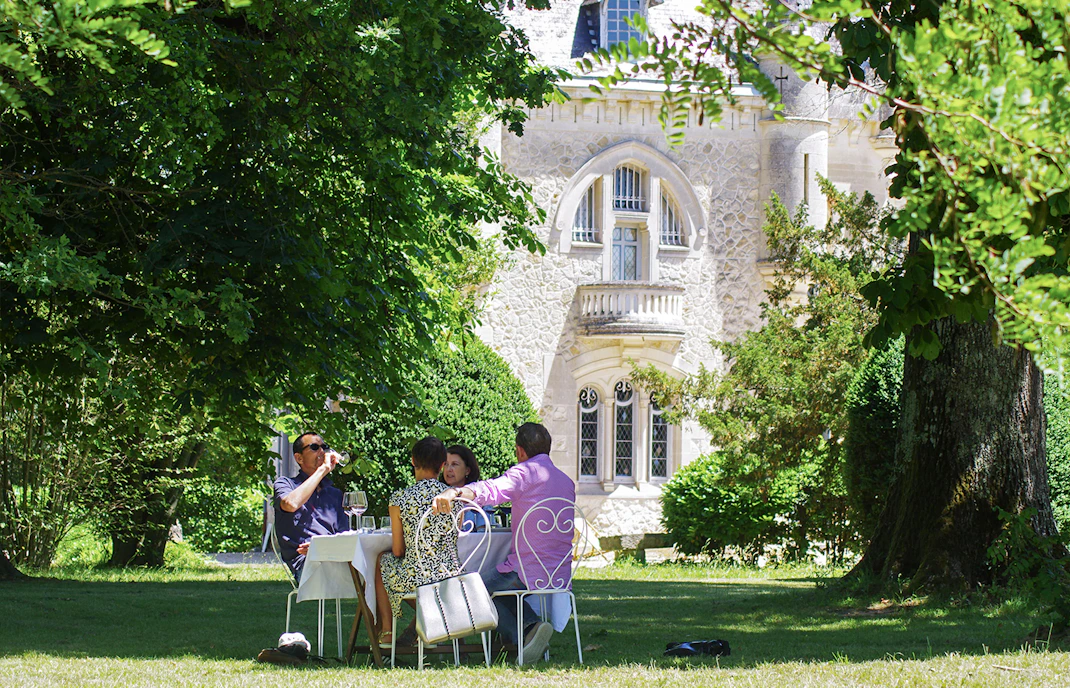
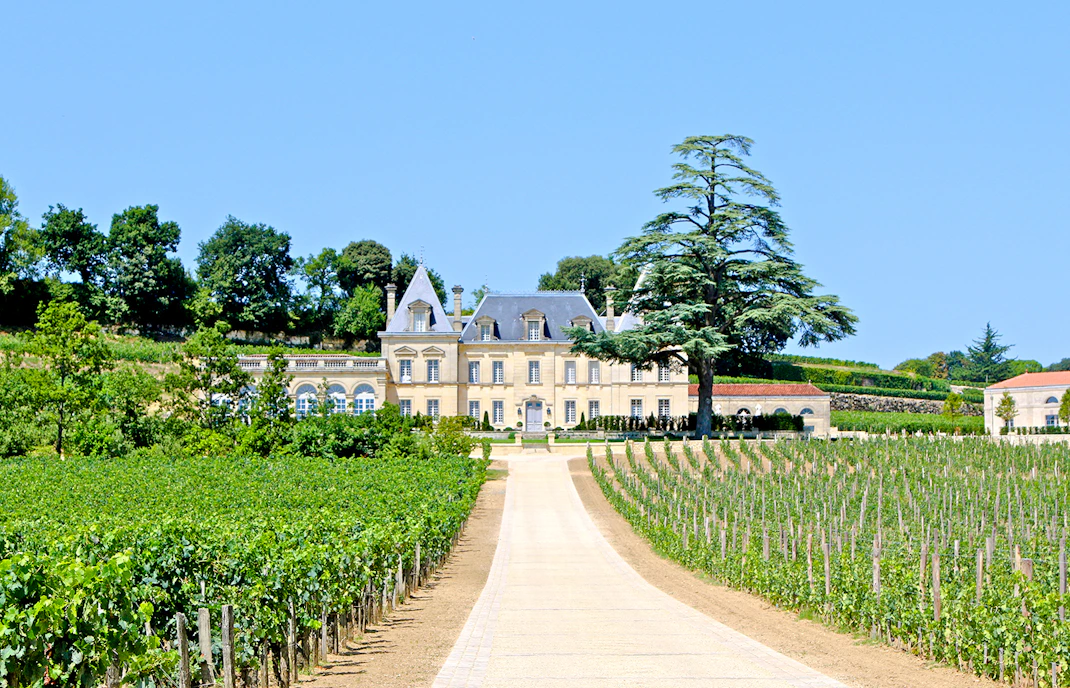
A château visit shows the village’s working side: limestone quarries reused as cellars, barrel rooms, and vineyard rows beyond town. Estate access is usually by reservation, which is why guided tours save time and remove the guesswork.

Les Grandes Murailles

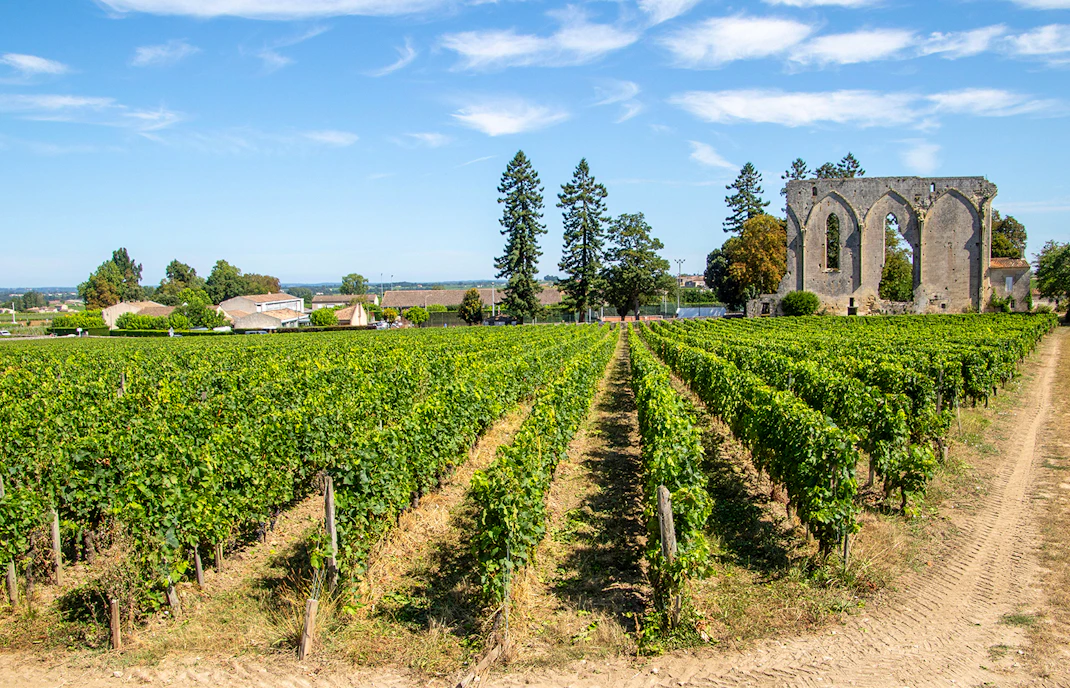
This dramatic fragment of a former Dominican monastery is one of the village’s most photogenic ruins. It takes little time to visit, but adds a sharper sense of Saint-Émilion as a place shaped by loss, rebuilding, and layered faith.

How to Explore the village of Saint-Émilion

Time needed: Budget 2–3 hours for the village itself, or 5–6 hours if you want a fuller experience with a château visit and tasting from Bordeaux. The difference comes down to whether you are only walking the historic center or adding cellar visits, transfers, and time for lunch.

Walking route: Start with the underground monuments in the morning or on your earliest available slot, since they run on guided access and sell out first. Then work upward through the medieval lanes to the main squares and churches before crowds thicken around midday. Leave your tower climb and photo stops for later, when you already understand the layout and can read the vineyard views more clearly.

Must-see: the Monolithic Church, the cobbled village core, and one Grand Cru estate cellar. Optional: the Cloître des Cordeliers for sparkling wine and ruins, or the King’s Tower for panoramic views; each adds about 30–45 minutes.

Guided vs. self-paced: Guided works especially well here because cellar access and underground history are not always legible from signage alone.
Brief History of the village of Saint-Émilion

  • 8th century: The hermit Émilion is said to have settled in a cave here, giving the village its name and spiritual origin story.
  • 12th century: The Monolithic Church and surrounding underground monuments are carved into the limestone hill, creating the site that still defines the village.
  • Medieval period: Saint-Émilion grows into a pilgrimage stop and wine-trading center, with cloisters, ramparts, churches, and merchant houses shaping the hilltop town.
  • Roman times to early modern period: Viticulture deepens across the surrounding slopes, tying the village’s identity ever more closely to Merlot-led Bordeaux wine.
  • 1999: UNESCO lists Saint-Émilion as a World Heritage cultural landscape, recognizing the long relationship between the village and its vineyards.
  • Today: Saint-Émilion remains both a living wine appellation and one of France’s most visited historic villages.

Architecture of the village of Saint-Émilion

Style

Romanesque and medieval limestone architecture gives the village a compact, carved-from-the-hill feeling rather than a planned urban one.

Stone

Local golden limestone is everywhere — in facades, churches, lanes, and the underground monuments visitors descend into during guided tours.

Underground structure

The engineering feat is the Monolithic Church itself, hewn from living rock and linked to catacombs and chambers beneath the village.

On the ground

Steep lanes, retaining walls, and sudden openings toward vineyard views make you feel the settlement’s tight fit on the hillside.

Makers

No single designer is credited; religious communities, local builders, and later wine families shaped the village through use, excavation, and adaptation over centuries.

Why UNESCO protected Saint-Émilion’s vineyards

Saint-Émilion is not protected only because it is pretty, or even only because it is old. UNESCO recognized it as a cultural landscape, which means the vineyards, village, quarries, churches, and trade routes matter most as one connected system. That distinction is what makes a visit feel different from touring a single monument or tasting room. You are moving through a place where agriculture, religion, and commerce have shaped one another for centuries, and where the wine landscape is still active rather than preserved behind glass.

Frequently asked questions about Saint-Émilion

Saint-Émilion is best known for its wine, medieval village, limestone architecture, and vineyard-covered landscape. Its wider wine-growing area is listed by UNESCO as the Jurisdiction of Saint-Émilion, recognized as an exceptional cultural landscape shaped by centuries of viticulture.