.svg?auto=compress%2Cformat&w=156&h=48&q=90&crop=faces&fit=crop)
Plan your Saint-Émilion tours day trip
Saint-Émilion is a UNESCO-listed medieval wine village best known for Grand Cru vineyards, limestone cellars, and its vast underground church. A visit here is more layered than many people expect: the village is compact, but the hills are steep, monument access is timed, and the best winery visits sit beyond the center. The biggest difference between a smooth day and a frustrating one is booking the underground tour and château tastings in the right order. This guide covers timings, routes, tickets, and what to prioritize.
Quick overview: Saint-Émilion at a glance
If you want the village, the wine, and the underground monuments to fit together well, a little planning pays off here.
- When to visit: Monday–Sunday, with the village accessible all day and most tours running in daytime slots. Early morning or after 4pm is noticeably calmer than 11am–3pm, because tour buses, lunch crowds, and photo-stop day-trippers all converge on the same narrow lanes.
- Getting in: From €15 for the official underground monuments tour. Guided wine tours from about €70, and full-day experiences from about €150. You can show up for the village itself, but underground slots and the better château tastings should be booked ahead from May–October.
- How long to allow: 4–6 hours for most visitors. Add time if you want both the underground tour and 2 winery visits, or if you’re coming from Paris in a single day.
- What most people miss: Les Grandes Murailles, the Cordeliers cloister and sparkling wine caves, and the traditional almond macarons that make a quick stop between monument visits genuinely worthwhile.
- Is a guide worth it? Yes if you want cellar visits and the underground monuments to line up cleanly; if you only want to wander the village and pre-book 1 site, you can do it well on your own.
🎟️ Underground tour slots and top château tastings for Saint-Émilion sell out several days in advance during July–September. Lock in your visit before the time you want is gone. → See ticket options
Jump to what you need
🕒 Where and when to go
🗓️ How much time do you need?
🎟️ Which ticket is right for you?
♿ Facilities and accessibility
Where and when to go
How do you get to Saint-Émilion?
Saint-Émilion sits about 35km north-east of Bordeaux, with a small rail station 15–20 minutes downhill from the medieval center.
Place des Créneaux, Saint-Émilion, France
- Train: Saint-Émilion station → 15–20-min uphill walk → easiest from Bordeaux St-Jean on the TER line.
- Taxi / rideshare: Drop-off near Place des Créneaux → 2–5-min walk → best if you want to skip the steep climb from the station.
- Car: Edge-of-village parking → 5–10-min walk → useful if you’re combining the village with 2–3 château visits outside town.
Getting here from nearby cities
Saint-Émilion works both as a Bordeaux side trip and as a more ambitious Paris day out, but the amount of free time you keep depends heavily on where you start.
From Bordeaux
- Distance: 35km
- Travel time: 35–45 min via TER train or car
- Time to budget: Leaves you enough room for a half-day or full-day visit without rushing the village
From Paris
- Distance: About 590km
- Travel time: About 3 hr via TGV to Bordeaux plus local train connection
- Time to budget: Realistically leaves 5–6 hours on the ground if you take early trains both ways
From Libourne
- Distance: 8km
- Travel time: 10 min via local train or 15 min by car
- Time to budget: The easiest nearby base if Bordeaux train times don’t line up
Which entrance should you use?
There isn’t a single gated entrance to Saint-Émilion, but there is one access point that matters most for first-time visitors: the Tourist Office area on Place des Créneaux. The mistake people make is walking straight to the Monolithic Church and only then learning that underground access is guided and timed.
- Tourist Office meeting point: Located on Place des Créneaux. Best for underground monument tours, local maps, and same-day guidance. Expect 5–10 min wait during late-morning arrivals.
When is Saint-Émilion open?
- Monday–Sunday: The village streets, viewpoints, and public lanes are accessible throughout the day
- April–October: Underground tours and most château visits run daily on fixed daytime slots
- November–March: Many wineries switch to appointment-only visits, and some reduce service or close for breaks
- Last entry: Late-afternoon underground tour availability is limited, so don’t leave it to the end of the day
When is it busiest? Late morning through mid-afternoon in July, August, and harvest-season weekends in September, when the village feels most crowded and photo spots slow down.
When should you actually go? Weekday mornings in May, June, or early September are the sweet spot because most venues are fully running, but you avoid the densest lunch-hour crowd flow.
💡 Pro tip: If you’re choosing between a late-morning and late-afternoon arrival, go early or after 4pm. Saint-Émilion feels most congested from about 11am–3pm, when tour buses, lunch tables, and underground-tour queues all peak together.
How much time do you need?
| Visit type | Route | Duration | Walking distance | What you get |
|---|---|---|---|---|
Highlights only | Tourist Office → Monolithic Church tour → village lanes → macaron stop → exit | 2–3 hr | ~2km | You see the underground monuments and the prettiest streets, but you skip the deeper wine side of Saint-Émilion |
Balanced visit | Tourist Office → Monolithic Church → King’s Tower or village viewpoints → 1 château tasting → Cordeliers cloister → exit | 4–5 hr | ~4km | This gives you both heritage and wine without rushing, though you’ll still need to choose between extra free time and a second estate |
Full exploration | Village walk → underground monuments → 2 château visits → lunch or tasting break → Cordeliers caves → panoramic stop → exit | 6+ hr | ~6km | This is the fullest day and best way to see why Saint-Émilion is both a wine region and heritage site, though it’s harder with public transport and same-day bookings. |
The highlights route works with the Underground Saint-Émilion tour and 1 pre-booked tasting. Full exploration works best on a guided wine tour.
✨ The full exploration route is harder without local knowledge because cellar visits sit beyond the village and underground monuments run on fixed guided slots. A guided tour links transport, tastings, and entry times so you don’t waste half the day stitching them together.
Which Saint-Émilion ticket is best for you
| Ticket type | What's included | Best for | Price range |
|---|---|---|---|
Underground Saint-Émilion tour | Timed entry + guided access to the Hermitage cave + Trinity Chapel + catacombs + Monolithic Church | A short heritage-focused visit when the underground monuments are your priority and you want to explore the village on your own afterward | From €15 |
Saint-Émilion half-day wine tour | Round-trip transport from Bordeaux + 1 château visit + tastings + guided village walk | A quick wine-country escape when you want the logistics handled but don’t have a full day to spare | From €70 |
Saint-Émilion full-day wine tour | Transport + 2–3 château visits + tastings + guided village tour + lunch or food pairing on some departures | A deeper visit when 1 tasting feels too light and you want enough time for both the village and the vineyards | From €150 |
Saint-Émilion and Médoc combo tour | Full-day transport + winery visits in both regions + tastings + guided commentary | A 1-day Bordeaux wine comparison when you want to understand Left Bank and Right Bank styles without choosing only 1 | From €160 |
Private Saint-Émilion tour | Private driver-guide + hotel pickup + customizable winery stops + tastings | A flexible day when you want a custom pace, specific estates, or easier planning with children or older travelers | From €400 |
How do you get around Saint-Émilion?
Saint-Émilion is best explored on foot in the village core, but a fuller day with cellar visits and viewpoints works best when you treat it as a route rather than a casual wander. The main historic sights cluster around the upper village, while the station and some winery access points sit downhill or beyond the center.
Getting around the village
- Upper village core: Main lanes, church square, shops, and viewpoints → budget 60–90 min
- Monolithic Church and underground monuments: Guided underground circuit beneath the village → budget 45–60 min
- King’s Tower and surrounding terraces: Best panoramic views over rooftops and vineyards → budget 30–45 min
- Cordeliers cloister and caves: Medieval ruin, sparkling wine tunnels, and tasting stop → budget 30–60 min
- Vineyard estates outside the center: Château visits and cellar tastings beyond walking distance for some visitors → budget 60–90 min per estate
Suggested route: Start in the upper village before crowds thicken, lock in your underground tour early, then move out to winery visits after lunch; most people do this in reverse and end up backtracking uphill or missing the quieter village window.
Maps and navigation tools
- Map: Free paper map from the Tourist Office + online village maps → covers the old town and key monuments → pick it up before your first timed visit.
- Signage: Good enough for the village streets, but not for building a full monument-and-winery day → a map genuinely helps once you leave the center.
- Audio guide / app: A self-guided walk works for the village, but guided commentary adds more value inside cellars and underground spaces where context matters.
- Large outdoor POIs only: Offline maps are useful if you plan to walk out toward nearby estates, because vineyard roads are simple but lightly signposted.
💡 Pro tip: Download a map before arriving if you’re planning to add a château beyond the village center — the compact old town is easy, but the moment you mix trains, cellars, and fixed tour times, navigation mistakes start costing real time.
What is Saint-Émilion worth visiting for?

Monolithic Church
Type: Underground monument
The Monolithic Church is the most singular sight in Saint-Émilion — a vast 12th-century church carved directly out of limestone beneath the village. It feels darker, cooler, and more atmospheric than most visitors expect, and the scale only really lands once you’re inside. What people often miss is that the church is only part of a wider underground circuit that also includes catacombs and the hermit’s cave tied to Saint Émilion’s origin story.
Where to find it: Access is via a guided underground tour booked through the Tourist Office on Place des Créneaux.
Medieval village lanes
Type: Historic village fabric
The cobbled streets are more than a backdrop between tastings — they’re one of the main reasons to come. Golden-stone facades, shaded squares, old wine shops, and steep lanes give the village its storybook feel, especially before the busiest part of the day. Most people rush the central streets but miss the quieter side lanes and the changing vineyard views that open up as you climb higher.
Where to find it: Start around Place du Clocher and wander outward toward the upper lanes above the church.
A Grand Cru château cellar
Type: Wine estate visit
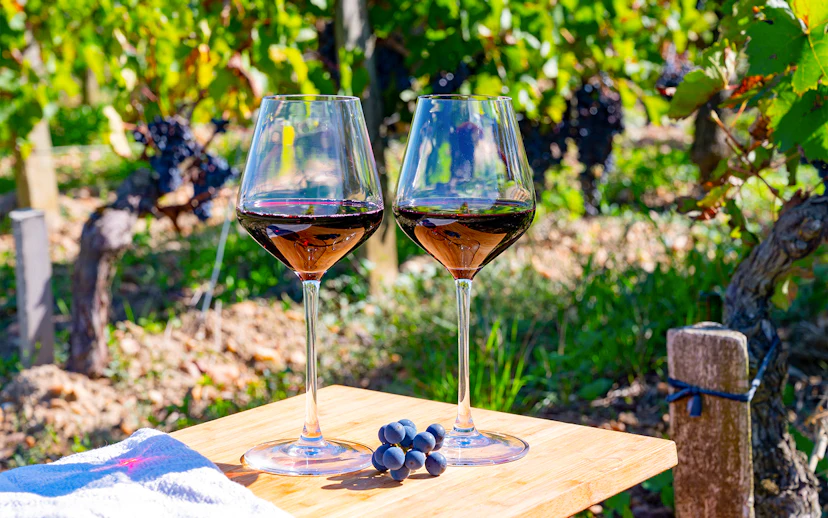
A château visit is where Saint-Émilion stops being just a pretty village and starts making sense as a wine region. You’ll see how limestone soil, barrel aging, and Right Bank blends shape the wines, then taste them where they’re made. What many visitors don’t realize is that some of the most memorable cellar spaces are former limestone quarries, so the architecture is part of the experience, not just the tasting.
Where to find it: Most estates sit outside the village core and are easiest to reach by guided tour, taxi, or car.
Cloître des Cordeliers
Type: Historic ruin and sparkling wine cave
The Cordeliers cloister is one of the easiest places to linger a little longer. Above ground, it’s a peaceful medieval ruin; below ground, it leads into long tunnels used for making Crémant de Bordeaux. The part people often skip is the cellar side, which gives the stop more substance than a quick photo in the courtyard.
Where to find it: In the village center, a short walk downhill from the main church area.
King’s Tower
Type: Viewpoint
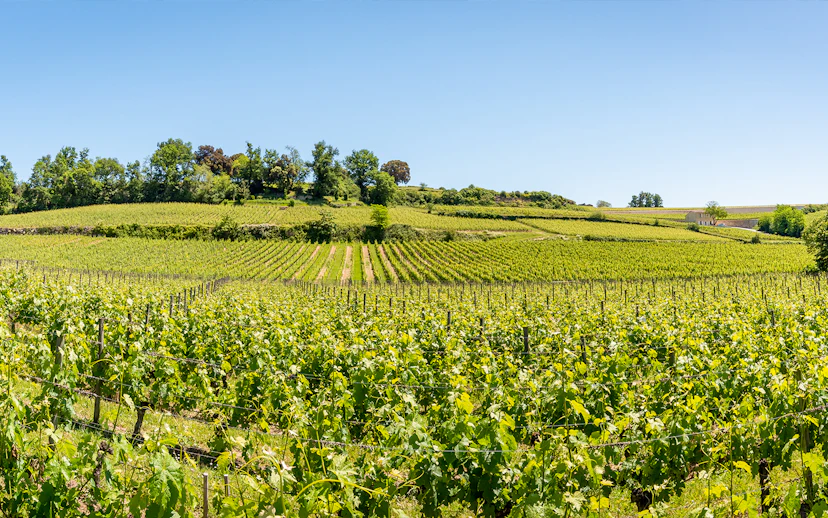
If you want the classic Saint-Émilion roofline shot, this is the place. The 13th-century tower gives you the clearest view over the village and the surrounding vineyards, and it helps you understand how compact the old center really is. Many visitors stop at ground level viewpoints and miss the better panorama from above because they run out of time after tastings.
Where to find it: In the medieval center, within walking distance of the main church and upper village lanes.
💡 Don't leave without seeing: Les Grandes Murailles and the Cordeliers caves are easy to miss because most people stay clustered around the Monolithic Church and main lunch square. Build in 30 extra minutes and you’ll get 2 of the village’s most atmospheric stops with far lighter foot traffic.
Facilities and accessibility
- 🎒 Cloakroom / lockers: Saint-Émilion works best with a small day bag, because the visit is spread across steep lanes, cellar stairs, and train connections rather than a single museum-style venue.
- 🍽️ Café / restaurant / food stalls: The village has plenty of cafés, wine bars, and lunch terraces, but the most obvious central tables are often the weakest value at peak lunch hours.
- 🛍️ Gift shop / merchandise: Macaron shops, wine stores, and château cellars are the most worthwhile places to buy souvenirs, especially if you’d rather bring home something edible or drinkable than generic merchandise.
- 🅿️ Parking: Parking sits at the edge of the village rather than inside the medieval core, which helps preserve the setting but does mean a short walk on uneven streets.
- 🪑 Seating / rest areas: The best casual pause points are the village squares, cloister garden areas, and tasting courtyards rather than formal indoor rest zones.
- ♿ Mobility: Accessibility is partial rather than full, because steep cobblestones, staircases, and underground monument access make parts of the visit difficult for wheelchair users and anyone who struggles on uneven ground.
- 👁️ Visual impairments: The visit is more manageable above ground than below, as the underground monuments are dimly lit and the village streets are irregular underfoot, so a companion or guided format helps.
- 🧠 Cognitive and sensory needs: Late morning to mid-afternoon is the loudest and most crowded window, while early morning and after 4pm are calmer and easier to process.
- 👨👩👧 Families and strollers: A stroller is workable on some main streets, but the route is not pushchair-friendly end to end because of the hills, cobbles, and monument steps.
Saint-Émilion can work well with children if you treat it as a shorter heritage-and-snack outing rather than a full wine marathon.
- 🕐 Time: 2–3 hours is realistic with younger children, focusing on the village, 1 viewpoint, and 1 short underground or cellar experience.
- 🏠 Facilities: Family-friendly stops are easier to find in open-air village spaces and cloister courtyards than in longer seated tasting rooms.
- 💡 Engagement: The underground church, catacombs, and old tower views usually hold attention better than technical wine explanations, so lead with those.
- 🎒 Logistics: Bring shoes with grip and a light layer, because the stone streets can be slick and the underground spaces feel noticeably cooler than the village above.
- 📍 After your visit: Libourne is close enough for an easy follow-up stop if you want flatter streets, a riverside walk, or a simpler meal before returning to Bordeaux.
Rules and restrictions
What you need to know before you go
- Entry requirement: The underground monuments are guided-entry only and winery visits often work on advance reservation, so late arrivals can lose their slot rather than simply joining the next line.
- Bag policy: A small day bag is far easier than rolling luggage here, because the station approach, cobbled lanes, and cellar steps make bulky bags impractical.
- Re-entry policy: The village itself is open, but timed monument and tasting reservations are not flexible, so leaving early usually means missing that booked experience rather than rejoining later.
Not allowed
- 🚫 Food and drink: Save snacks and drinks for the village squares or tasting areas, not the underground monuments during guided visits.
- 🚬 Smoking and vaping: Step away from cellar spaces, guided groups, and heritage interiors if you need to smoke.
- 🖐️ Touching monuments or cellar equipment: Keep hands off carved stone surfaces and winery equipment, especially in the underground areas where preservation matters.
Photography
Photography is generally fine in the village streets, vineyards, and most open-air viewpoints, but it is forbidden inside the Monolithic Church and the underground monuments for preservation reasons. If you’re visiting wineries, ask before photographing cellar workspaces or staff-led tastings, because rules can vary by estate. Flash, tripods, and other bulky gear are a poor fit for the tighter underground spaces even when photography is allowed elsewhere.
Good to know
- Underground monument tours run at fixed times and late-afternoon availability is limited, so don’t leave the Monolithic Church to the end of your day.
- Top châteaux still work largely by appointment, even when the village itself feels spontaneous and easy to explore.
Practical tips
- Book underground monument slots and château tastings at least 1–2 weeks ahead for May–October, because while many wine tours are booked within 7 days, the best timed visits are the first thing to tighten up.
- If you’re late to a fixed underground tour, expect to miss it rather than be waved in halfway through; build in at least 15–20 minutes between arriving in the village and your first booking.
- Save your energy for the slopes after the station and for tower climbs, not for wandering every side street at once; the village is small, but the steep cobbled tertres tire people out faster than the map suggests.
- The calmest rhythm is village first, winery second, because the old center is most pleasant before 11am and many cellar visits sit better after lunch.
- Bring grippy shoes rather than dress shoes, especially in wet weather, because the cobbles and polished stone sections get slippery.
- If you want lunch in the village, eat early or late and avoid the most obvious central terraces; several travelers find the main tourist-strip restaurants overpriced compared with quieter wine-bar and cloister stops.
- If you’re coming from Paris for the day, keep your schedule simple — 1 underground tour, 1 winery, and free time is realistic; trying to pack in multiple estates usually turns the day into transit rather than sightseeing.
What else is worth visiting nearby?
Commonly paired: Bordeaux
Bordeaux
Distance: 35km — 35–45 min by train or car
Why people combine them: It’s the natural base for a Saint-Émilion trip and gives you a clean city-and-wine-country split in a single day.
Commonly paired: Libourne
Libourne
Distance: 8km — 10 min by train or 15 min by car
Why people combine them: It’s the simplest nearby add-on if you want a flatter town, easier train connections, or a low-key meal before heading back to Bordeaux.
Also nearby
La Cité du Vin
Distance: About 40km — around 50 min by car or about 1 hr by train and tram
Worth knowing: It’s the best follow-up if you want broader Bordeaux wine context after tasting in Saint-Émilion itself.
Arcachon Bay
Distance: About 95km — around 1 hr 30 min by car
Worth knowing: This is a longer add-on, but it works if you want to contrast vineyard landscapes with Atlantic coast views on the same trip.
Eat, shop and stay near Saint-Émilion
- On-site: The village center has plenty of bistros, cafés, and wine bars; they’re convenient, but the most obvious lunch terraces in the middle of town are not always the best value.
- Les Cordeliers: 3-min walk, village center; sparkling wine, light lunches, and snacks in a cloister setting; worth it if you want atmosphere and a shorter stop rather than a formal meal.
- Fabrique de Macarons: 2-min walk, village center; coffee and the town’s historic almond macarons; best as a mid-visit sugar stop between monuments.
- Mme Blanchez: 2-min walk, village center; traditional macaron stop and easy edible souvenir pickup; useful when you want something quick before a train back.
- Pro tip: If you want a sit-down lunch, book ahead for peak-season weekends or eat before noon — once the central terraces fill, the wait can take longer than the meal is worth.
- Fabrique de Macarons: The classic place for Saint-Émilion’s 17th-century-style almond macarons, which travel far better than fragile pastries.
- Maison du Vin de Saint-Émilion: A practical stop for bottles and regional wine advice if you want guidance before buying.
- Château cellar shops: The best place to buy wine when you want the exact bottle you tasted, and some estates can help with international shipping.
Staying 1 night in Saint-Émilion is worth it if you want the village after the day-trippers leave and an easier start for morning tastings. It’s less ideal as a longer base if you want nightlife, frequent trains, or a bigger restaurant scene. For most travelers, Saint-Émilion works best as a short stay rather than a full Bordeaux replacement.
- Price point: The area skews mid-range to high for small hotels and guesthouses, especially in or near the medieval center.
- Best for: Travelers who want a slower wine-country pace, a dinner in the village, and an early start at nearby châteaux.
- Consider instead: Bordeaux for better transport and more evening options, or Libourne for easier logistics and generally simpler pricing close to Saint-Émilion.
Frequently asked questions about visiting Saint-Émilion
Most visitors need 4–6 hours for Saint-Émilion, and a fuller wine-focused day usually takes 6–8 hours. If you only want the village and underground monuments, 2–3 hours can work. Once you add 1–2 château visits, the timing stretches quickly because the best estates are outside the compact center and usually run on fixed schedules.
Yes, you should book the underground monuments and winery visits in advance if you’re coming from May–October. The village itself doesn’t require a ticket, but the Monolithic Church is guided-entry only and the better château tastings often work by appointment. In July, August, and harvest season weekends, same-day spontaneity is much riskier.
Not in the usual big-city sense — what matters here is pre-booking timed slots, not buying a fast-track ticket. Saint-Émilion rarely has a classic queue problem across the whole destination, but underground tours and winery visits can fill up. The practical win is guaranteed timing, not cutting a long physical line.
Arrive 15–20 minutes early for any underground monument tour or château tasting. That gives you enough buffer to find the meeting point, handle the uphill walk if you came by train, and avoid missing the slot. Late arrivals are more likely to lose the booking than be folded into the tour midway.
Yes, but a small day bag is much better than a large backpack or rolling suitcase. The village streets are steep and uneven, and cellar visits often involve stairs or tighter spaces. If you’re arriving from Bordeaux or Paris, leave larger luggage at your hotel before coming so the visit stays comfortable.
Yes in the village and vineyards, but no inside the Monolithic Church and the underground monuments. That photography ban is in place for preservation. Winery rules vary a little by estate, so it’s smart to ask before photographing cellar work areas or guided tastings.
Yes, Saint-Émilion works very well for small groups, private tours, and guided tastings. Group wine tours from Bordeaux are common, and private tours make it easier to customize the pace and estate choices. If your group wants the underground monuments together, book that timed slot early, especially in summer.
Yes, if you keep the day short and focus on the village, viewpoints, and 1 child-friendly stop rather than multiple long tastings. The underground church and tower views tend to land better with children than technical wine explanations. The main challenge is the terrain, not the content.
Only partly, because steep cobblestones, stairs, and underground access make parts of the visit difficult. Some village areas can still be enjoyed, but the route is not fully step-free end to end. If accessibility matters, plan a shortened above-ground visit and confirm winery access individually before booking.
Yes, there are plenty of cafés, wine bars, and lunch spots in the village, plus snack stops like the local macaron shops. The main thing to know is timing: the most central terraces get crowded at lunch, and reviews are mixed on value, so eating a little earlier or away from the busiest square usually works better.
Yes, but it’s a long day and works best if you keep the plan simple. With an early TGV to Bordeaux and a local connection, you can still get 5–6 hours in Saint-Émilion. One underground tour, 1 winery, and free time is realistic; trying to squeeze in too many estates usually makes the day feel rushed.
Some do, but the better experience is to assume reservations are needed. Top châteaux often require appointments, and that matters most from late spring through harvest season. If you want a specific estate or English-language tasting, book ahead rather than hoping for a same-day slot.